Categories
Technical Lighting Help

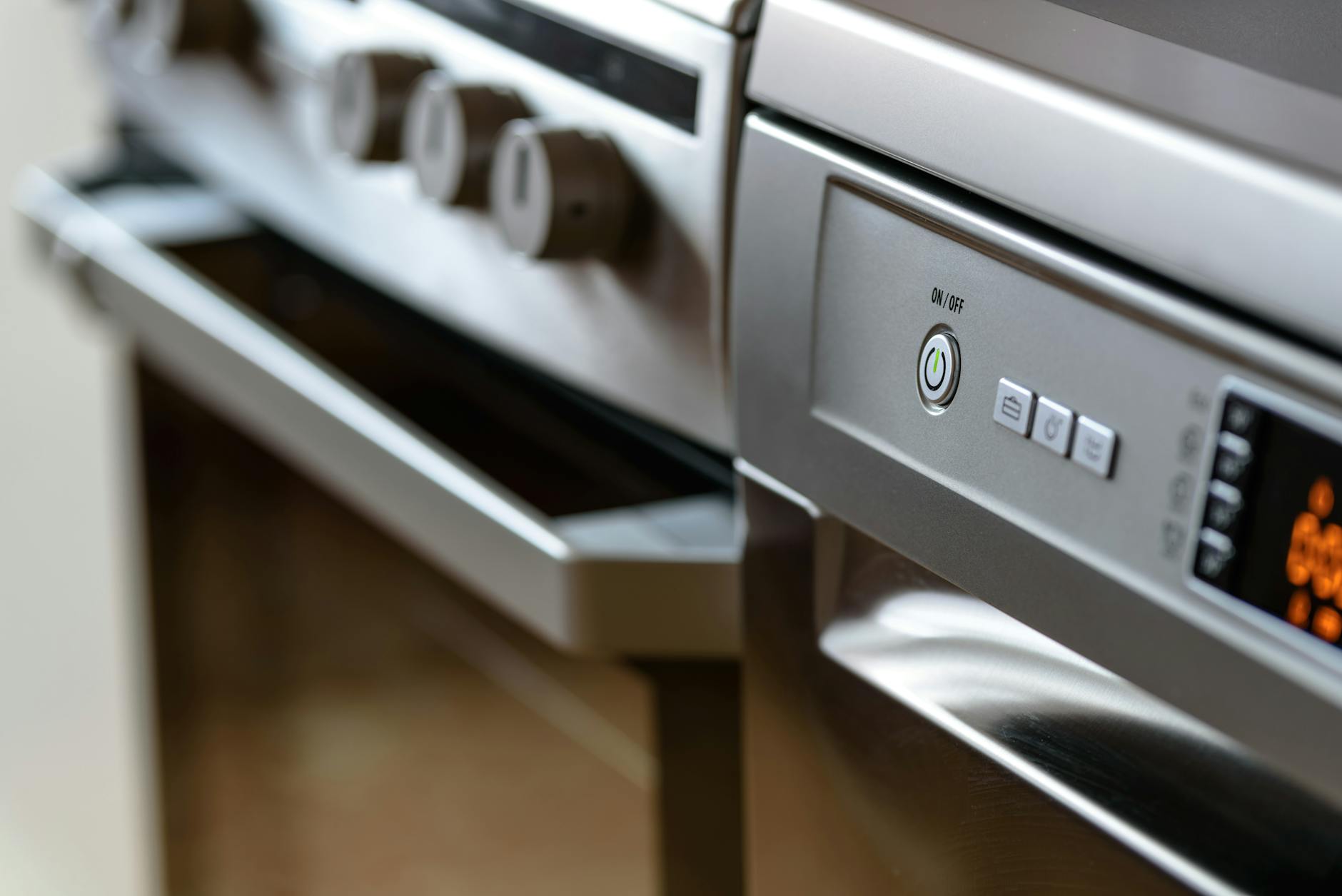
“Let’s Just Eliminate the Stove.”

Photo by AS Photography on Pexels.com

At the recently completed American Lighting Association (ALA) conference, the concept of cost overruns was discussed. The lighting pros in attendance were commiserating the unfortunate fact that light, too often is the victim of an expensive refrigerator. When costs need to be cut, lighting becomes the sacrificial lamb.

I suggested we should all counter that response with a different argument.

Client: “We are spending too much money on the new kitchen. We’ll need to eliminate some of the lighting.”

Lighting Professional: “I have a better solution. Let’s remove the stove.”

At this point, the customer will respond and push back. Of course, a kitchen without a stove isn’t much of a kitchen. A kitchen without proper lighting is equally ineffective. If you can’t see the carrots, dragging out a knife could be a lethal, or at least messy problem.

There is a better way that doesn’t mean the elimination of half the light or one La Cornue. Multiple lighting options should be considered so a good lighting design will be the result.

The first design you offer should be the optimal version. You should include the luminaires that will do the best job, perform the best and deliver the finest design possible.

A second option should include alternatives and the reasons they are second should be included in the notes.

  • “Adequate, but not perfect beam angle”
  • “Shorter expected life span – 25,000 hours vs 60,000”
  • “Increased likelihood of glare”
  • “X”

You might want to offer a third, but I wouldn’t unless you like extra work, or that has been agreed upon when discussing the job.

Sometimes, the customer needs to understand why they are selecting what they are selecting. They might choose a Sub-Zero because it has a reputation and a certain amount of élan, but they do not have that connection to lighting. They can acquire a visceral connection to a chandelier, but functional lighting is different. A stove roasts a chicken, a dishwasher cleans the pots, a freezer makes ice cubes, but they might not realize properly designed recessed cans (pots) deliver glare-free light that supports all of the tasks a user achieves in a kitchen.

The accent lighting layer is an easy victim to cost overruns. In order to swing that copper farmhouse sink, the toekick and above cabinet lighting could be sacrificed. The lighting designer should ask, “At what cost?”

“Why install a Poggenpohl kitchen, if you aren’t going to light it properly?” If you can’t see the beautiful finishes, the seamless craftsmanship and the flawless functionality, what is the point?

In a perfect world, kitchens should be offered at multiple price points, each with commensurate lighting. Here are a few lighting options matched with the overarching kitchen concepts.

Entry Level Kitchens

If the client is furnishing their first home, or if they are young and just starting life’s journey they will likely be using stock cabinets, basic appliances, introductory priced granite countertops and simple flooring. The suggested lighting could be:

  • Decorative surface mounted luminaires – flush or semi-flush, depending on the ceiling height. (Surface mounted “discs” are not an option at ANY price point!!)
  • Good output, LED Tape in a plastic channel as under-cabinet lighting. Depending on price, an integrated under-cabinet option might work. LED Tape is typically less expensive (based on lumens per foot) but still confounds some less skilled electricians.

Mid-Level Kitchens

If the customer is moving into a second or “forever” home, they will likely be using semi-custom cabinets, more elevated appliances with better features, quartz countertops and ceramic or wood flooring. The suggested lighting could be:

  • Pendants at the island that have a size equal to the girth of the surface and a height that conforms with the ceiling height. In other words, avoid using tiny 5” spheres in a room with 10’-0” ceilings over a 48” wide island.
  • Well positioned recessed lighting. They may not have optimal beam angles and they might not be as recessed as those found in a perfect design. (Surface mounted “discs” are not an option at ANY price point!! Yes, I wrote this twice for a reason.)
  • 300 to 500 lumens per foot LED Tape in a channel as under-cabinet lighting
  • Above cabinet accent lighting provided by LED Tape delivering between 150-250 lumens per foot.

Luxury Kitchens

This client might have a kitchen designer. They might be using an interior design specialist or architect. They are familiar with what they want and have the funds to achieve that goal. This is not their first home purchase and might not be their last. They will be specifying the aforementioned La Cornue and Sub-Zero appliances in a SieMatic kitchen. High end backsplash and flooring materials will employed. The suggested lighting could be:

  • Pendants at the island should be perfectly sized to the girth of the counter and height of the ceiling. The quantity used should also fit the scale.
  • A separate dining area might need supplemental lighting and a fine decorative chandelier/pendant/semi-flush should be selected.
  • Well positioned recessed lighting with optimal beam angles and lumen output. They should be recessed into the ceiling a minimum of 2 ½”. (Surface mounted “discs” are not an option at ANY price point!! Once more for effect.) There will never be a reason to replace these, so buy the product that is warrantied for 50,000 hours or higher.
  • 300 to 500 lumens per foot LED Tape in a channel as under-cabinet lighting
  • Above cabinet and toekick accent lighting provided by LED Tape delivering between 150-250 lumens per foot.
  • Under countertop lip accent lighting should also be discussed and considered. It can be a wise alternate to inside drawer lighting.
  • Under island accent lighting (again, LED Tape) at about 200-300 lumens per foot will work nicely
  • There is a good chance this kitchen will feature some display cabinets. They will need to be lit to fully appreciate the items. The necessary illumination can vary widely from 150 to 500 lumens per foot depending on the goal.

There are many differences found in all the kitchen designs in America and they diverge in as many ways as the customer does. Despite that range, no one need go without a stove to have good lighting. Good lighting simply needs to be planned in concert with the rest of the kitchen’s functional elements.

Categories
Aesthetic Lighting Help

Select Meaningful Island Pendants in Smaller Homes

What’s missing from this kitchen/island design?
Photo by Saviesa Home on Pexels.com

Time and again, the building industry makes long range predictions about new single-family home size shrinking and in almost every instance, they miscalculate or over-promise, but it is hard to say they are definitively wrong. In other words, it’s complicated.

The logic behind smaller homes makes perfect sense. Homes are getting more expensive, wages are for the most part stagnant or in decline, land costs are increasing, import duties for products have been raised, creating a de facto price increase for many home goods and inflation has ripped through much of the building trade supplies. The solution seems obvious. Reduce the size of the home, the cost will go down and people can afford the newly configured home. Easy.

Unfortunately, that is not what happens. While there is reduction in single family home size of minimal square-footage, the average cost has increased year over year. That means new home construction is being limited to a narrower and narrower group of wealthier and wealthier customers. Average buyers are increasingly being pushed out of the new home market. That does not mean people with an average income are homeless. It simply means an adjustment.

For the last thirteen years, the quantity of townhomes built has increased. Townhomes occupy a smaller slice of land, walls are shared and costs are reduced thereby making the home much more affordable. As has been reported so often since the pandemic started, existing home sales have risen to record levels. While cooling slightly mid-2023, the sale of real estate remains high. It has also been reported that Millennial buyers are buying older homes in mature neighborhoods that more equitably match their income. The fact is, people are buying home, but many are smaller than they might have desired.

All of these buying trends leave the consumer with a challenge. Smaller townhomes, smaller single-family new construction for those lucky enough to match income, cost and availability and smaller, pre-existing homes, means smaller living area that needs to be maximized. Couple this housing size direction with the universal understanding that the kitchen is the center of the home and the challenge is pretty clear.

When home size was increasing year-over-year, pre housing crisis 2008-09, kitchens were illuminated with “average” looking lighting. The dining room grabbed all the glory and almost all of the lighting budget money. Post housing crisis, dining rooms, even in luxury homes shrank and kitchens grew. As a matter of fact, the one room in the home where consumers will NOT make concessions in size is the kitchen. Size in-fact, continues to grow. With all that in play, as lighting people, we must elevate this space with good lighting.

If the centerpiece of a dining room is the chandelier, then we’ll need to think about pendants or a linear pendant over the island as the centerpiece of the “new dining room.” To make that occur, elevate the product selection. Find pieces that rise above, fill the vertical, as well as the horizontal space and be certain that they speak to the visual moment.

Intelligently selected kitchen lighting, especially that which is centered on the island can take a mundane look and allow it to rise above the smaller surroundings. Combine that focal point with accent lighting above cabinets, at toekicks and under the island overhang and the smaller room immediately looks larger. If cabinets have clear or translucent fronts, illuminating them can increase the visual size of the room. Good lighting can elevate a room and allow the viewer to ignore the size.

Some people can afford the home of their dreams with all of the amenities imagined. Most of us need to make concessions. Concessions coupled with wise decorative elements such as lighting will allow you to forget the smaller size and revel in the exciting results.

Categories
Aesthetic Lighting Help

Lighting the Kitchen Island

An internet search of “kitchen island lighting” will deliver a host of options and opinions covering placement. Which one to believe? Here are a collection of my thoughts on adding light over a kitchen island.

Islands

It is unlikely that an island in the kitchen has ever been as popular as today. It remains one of the most requested aspects of new home construction and images of fashionable islands overflow on Pinterest and Instagram. That said, the islands build today (2021) are different than those build even as short as five years ago. Islands are bigger, wider and more aesthetically significant. Coupled with taller ceiling heights, the answers that made sense in 2016 may not be valid today.

Pendants

Some people immediately associate island lighting with a trio of small pendants. This implementation is so ubiquitous, many think there is no other solution. Pendants still remain a wonderful and stylish option, but preferences have shifted. Gone are the tiny cobalt blue halogen glare bombs! There are now more fashionable updates. Regardless of choice, the bottom of the pendant should always be positioned 36” from the top of the island.

The pendants selected and the quantity used should be proportional to both the island and the room.

Short/small islands will look best with two or three pendants with a diameter of 4” to 8”. Longer islands will need more pieces. Try for an uneven quantity of lights. This will always appear more balanced.

Narrow islands should also stick with the 4” to 8” diameters range. Wide islands will look better at 8” to 15”.

Smaller diameter units should be closer together; larger diameter can be farther apart. I like the distance between shades to equal the diameter to diameter and a half. For example, if the shade is 10”, then there should be a space between of 10” to 15”.

Square islands can amplify their unique style with four pendants, one near each corner. A round island could be dynamic with a single larger diameter pendant at the center. Unusual island designs should invite creative lighting solutions.

A ceiling height of 8’-0” demands a smaller pendant height. Many smaller pendants have a height of 8” to 15” and those will work well. Most new construction has 9’-0” ceiling height minimums and often times can be 10’-0” or 12’-0”. The short fixtures will simply look out of place unless hanging elevations are staggered. Seek out lighting that measures 18” in height and consider those as tall as 30”.

 8’-0” Ceilings9’-0” to 12’-0” Ceilings
Small Islands Narrow Islands4” to 8” diameter 8” to 15” height4” to 8” diameter 18” to 30” height
Large Islands Wide Islands8” to 15” diameter 8” to 15” height8” to 15” diameter 18” to 30” height

Island Lights / Linear Pendants

Over the last five years, the popularity of linear island lights has skyrocketed. This is a result of growing island sizes, multiple islands and a rejection of ultra-small pendant.

Choose a length that is somewhere between 1/3 and ½ the length of the island. The width must also be commensurate with the island. Narrow islands should stick with a 4” to 8” width. Wider island can user wider luminaires. As with the pendants, taller ceiling height can accommodate taller fixture heights, but if your ceiling is 8’-0”, select a height in the 12” to 15” range.

…but, I Have a Pot Rack!

While not nearly as popular as they were years ago, users still swear by pot racks for the same reason they are favored in commercial kitchens. That convenient placement does however hinder illumination. The only sure fire answer is confirmation that the ambient light, typically provided by recessed cans is well laid out for the room size, ceiling height and finish/color. Light must be delivered onto the working surface of the island from behind the user, so an ineffective design will result in a substandard amount of light on the island.

How Much Light?

Yes, the light from a pendant will deliver concentrated light to the work surface, but in a well-lit kitchen, the yeoman’s work will be accomplished by the ambient light. As with the pot rack scenario, remember that pendants work in tandem with the recessed cans. Together, they deliver the light that is needed, where it is needed. Individually, they can only do a partial job.

Islands in the kitchen will be with us for the foreseeable future. To maximize their functionality, intelligently selected lighting is essential. To make the room look its best, proper proportions must be considered and as you can see, there are many parameters to arrive at those choices. Take the time and do it right for the best results. You’ll be glad you did.