

Photo by Saviesa Home on Pexels.com
Time and again, the building industry makes long range predictions about new single-family home size shrinking and in almost every instance, they miscalculate or over-promise, but it is hard to say they are definitively wrong. In other words, it’s complicated.
The logic behind smaller homes makes perfect sense. Homes are getting more expensive, wages are for the most part stagnant or in decline, land costs are increasing, import duties for products have been raised, creating a de facto price increase for many home goods and inflation has ripped through much of the building trade supplies. The solution seems obvious. Reduce the size of the home, the cost will go down and people can afford the newly configured home. Easy.
Unfortunately, that is not what happens. While there is reduction in single family home size of minimal square-footage, the average cost has increased year over year. That means new home construction is being limited to a narrower and narrower group of wealthier and wealthier customers. Average buyers are increasingly being pushed out of the new home market. That does not mean people with an average income are homeless. It simply means an adjustment.
For the last thirteen years, the quantity of townhomes built has increased. Townhomes occupy a smaller slice of land, walls are shared and costs are reduced thereby making the home much more affordable. As has been reported so often since the pandemic started, existing home sales have risen to record levels. While cooling slightly mid-2023, the sale of real estate remains high. It has also been reported that Millennial buyers are buying older homes in mature neighborhoods that more equitably match their income. The fact is, people are buying home, but many are smaller than they might have desired.
All of these buying trends leave the consumer with a challenge. Smaller townhomes, smaller single-family new construction for those lucky enough to match income, cost and availability and smaller, pre-existing homes, means smaller living area that needs to be maximized. Couple this housing size direction with the universal understanding that the kitchen is the center of the home and the challenge is pretty clear.
When home size was increasing year-over-year, pre housing crisis 2008-09, kitchens were illuminated with “average” looking lighting. The dining room grabbed all the glory and almost all of the lighting budget money. Post housing crisis, dining rooms, even in luxury homes shrank and kitchens grew. As a matter of fact, the one room in the home where consumers will NOT make concessions in size is the kitchen. Size in-fact, continues to grow. With all that in play, as lighting people, we must elevate this space with good lighting.
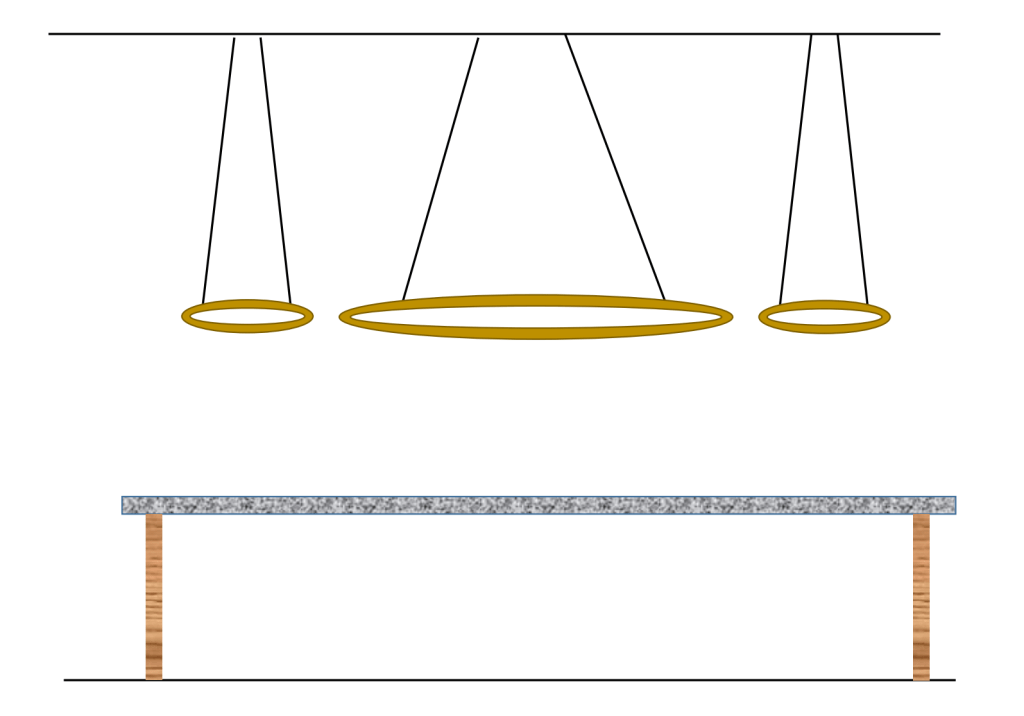
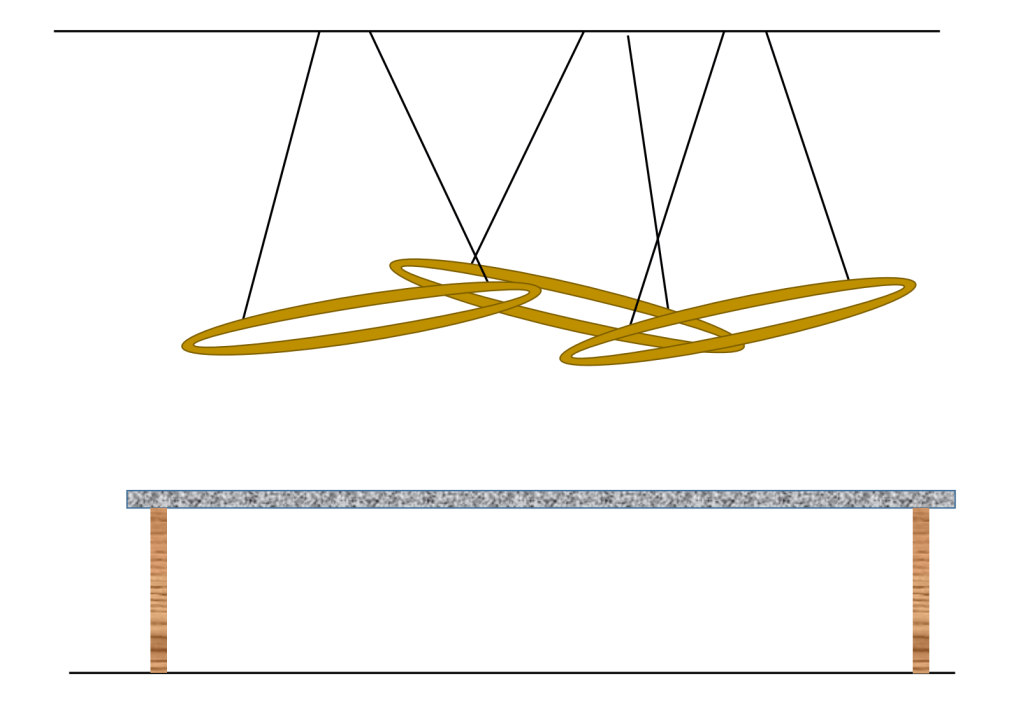
If the centerpiece of a dining room is the chandelier, then we’ll need to think about pendants or a linear pendant over the island as the centerpiece of the “new dining room.” To make that occur, elevate the product selection. Find pieces that rise above, fill the vertical, as well as the horizontal space and be certain that they speak to the visual moment.
Intelligently selected kitchen lighting, especially that which is centered on the island can take a mundane look and allow it to rise above the smaller surroundings. Combine that focal point with accent lighting above cabinets, at toekicks and under the island overhang and the smaller room immediately looks larger. If cabinets have clear or translucent fronts, illuminating them can increase the visual size of the room. Good lighting can elevate a room and allow the viewer to ignore the size.
Some people can afford the home of their dreams with all of the amenities imagined. Most of us need to make concessions. Concessions coupled with wise decorative elements such as lighting will allow you to forget the smaller size and revel in the exciting results.

 Lighting by Jeffrey