
I believe we lighting people have a tendency to mix or confuse Human Centric Lighting with Circadian Supportive Lighting. It was a point well-made by a lecturer at the recent Cleveland Electric Expo. I’ve written a lot about Circadian needs and concerns, but I really haven’t touched on Human Centric Lighting. I hope this brief description helps clarify the differences.
First, let’s remember that Circadian lighting is basically a replica of natural light, regardless of what we humans are doing, the sun rises and falls. The sun doesn’t care about us, it is totally independent. At a base level, this is the light our body craves. The main point the speaker made was that Human Centric Lighting was more of a design practice, with a goal to improve the life of the human who uses the space. Designers must balance the physiological needs with the practical demands of life. That can be done is a number of ways.
Quality of Light
The point of the light is to bring out the beauty of the surroundings and the space being lit. To do so, the quality of the luminaire must be high. Selecting good light insures the result will be excellent.
Natural Light
The goal is to end up with light that feels natural, not forced or fake. It should have a connection to daylight in color and direction.
Connection to the Outdoors
The built environment should have a link to the surrounding landscape. A harmonious blend makes the space feel real and comfortable. People will enjoy occupying the space because of these connections.
Adaptive and Personal Controls
We all feel better when we have control. Control of the lighting is included in that emotion. Intelligent solutions should adapt to the user. If automation is not being used, then the occupant should have the ability to personally adjust and regulate the light as needed.
Shading
Shading is a crucial part of lighting, especially with the inclusion of more natural light. Direct sun can produce a lot of glare. Proper shading can ameliorate that problem and create a comfortable place. For successful shading, a designer must consider the proper material and how use will impact energy consumption.
Benefits
Human Centric Lighting has been found to deliver benefits to businesses, employees and tenants.
Where Do I Start?
When thinking about Human Centric Light, one must consider natural light first. It is consistent and dependable, so how does the sun fall on the building? With more daylighting employed, how will that natural light enter and work within the interior space? How will you, as a designer balance the desirable natural light with the designed interior space? You will need to have adjustable interior light that can match the natural light in intensity and color. That will require control systems and shading (as mentioned above.)
Now, take a minute to understand what the body needs. (Circadian Supportive Lighting) How can we balance that need and the needs of modern people? Working adults cannot awake at 8:00AM in the winter and still hope to get paid, so we make a sacrifice. What is the task? What type of light will accomplish that? Can it be done with the least possible offense? We introduce lighting into the space that will deliver what is needed in the most respectful way possible.
During the day, our bodies want to absorb as much light as possible, but as people, we need to perform tasks and glare can be a huge deterrent. We might need some glare shields. We might need controls. Applying the points listed above lets us do that.
Unless we are a 19th century farmer, it is unlikely we will go to sleep at sunset, so a good lighting designer will provide light that allows us to perform any necessary life tasks, while preparing our bodies for sleep, perhaps six hours later. Light, of the right color and delivered in the most amiable way will have minimal impact to our circadian needs.
Understand the circadian needs; add only the light needed to supplement tasks in a way that connects the user to the space; make sure that light is of high quality and add shading and controls to increase its value.
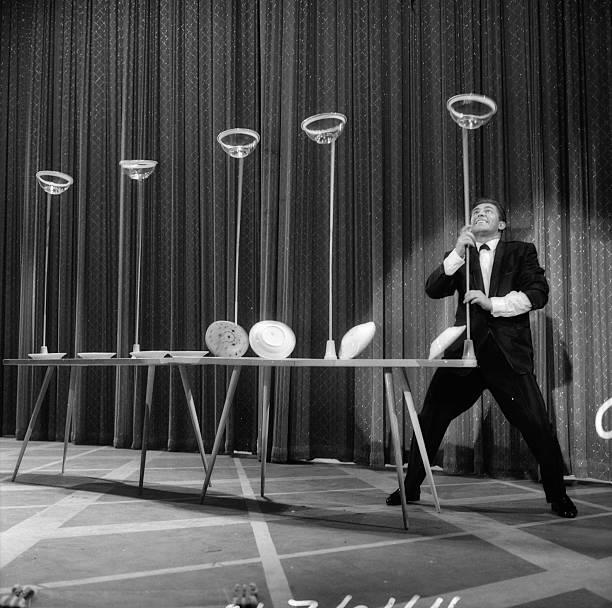
This is new territory for all of us. When I first started in the lighting business, we simply worried about filling all the outlet boxes in the ceiling and walls. As we entered the new millennium we learned about the power of our circadian rhythm and its impact on our life and health. Plants and animals had similar needs. That has complicated things, at the same time we began to adopt a new light type. We are now like the guy on the Ed Sullivan show who balanced a dozen plates on wobbly sticks. Each plate needs attention or the whole act will come tumbling down.

 Lighting by Jeffrey