
Over the years, I have expressed a fair amount of pessimism on the future of trade shows. That cynicism has been borne out with the melting of LightFair and the recent announcement that ICFF will combine with BDNY. I’m sure other shows supporting other industries are suffering the same diminishment. They have, apparently, outlived their value.
Recently, I came upon a LinkedIn post from tech icon Mark Cuban who offered an alternate take. He postulated that in three years, AI will become so imbed in our business world (and probably our world, in general) that people will not know what is real and what is fake. “This will lead to an explosion of f2f [face to face] engagement, events and jobs.”
I liked this observation. If you talked to “older” folks, who spent a lot of time working and visiting trade shows, before they became pabulum, they were dynamic ways for people to meet, for ideas to be shared, for sales to be negotiated and for relations to be built. When the corporatists got hold of these shows, the jig was already up. The over-booth banner made sense, until the ceiling was so filled with them, none could be seen. Matching polo shirts were cute until they became a uniform. The pressure for scanned leads and the adult world version of a pre-show pep rally doomed the whole event. When the mobile phone arrived, the final nail was placed in the trade show coffin. Walking down the aisle of a show today now means seeing 90% of the booth staff bent over, scrolling through their phone. “Tech neck” does not equate to “open and welcoming.”
It is time to think how experiential shows and even experiential marketing could be realized in the new, post AI world.
This is not a call to rethink corporate trade show budgets and redo what has been done for the last two decades. That ship has sailed. Mobile phones need to be placed in Yondr Pouches. If we need to redefine reality, then booths with flat screens and video rolls need to go. Hell, the booth probably needs to go! Any semblance of automation should be left back home, in the warehouse. Rather than a booth for lighting, a booth for plumbing and a booth for flooring, we should be thinking about the whole home experience and how that could be replicated in a convention hall. Attendees should be entering live spaces after live spaces after real space. An immersive reality needs to scrap any show floor trick we’ve used prior.
KBIS and IBS should be plotting out these new ideas today. Imagine walking into a home at the opening of the Orlando Convention Center. You walk to the bathroom and beyond that could be the Kohler information and the Toto product. Go back to the kitchen and the Bosch appliances and Franke sinks would be behind the door. The floor would be transformed into a huge house.
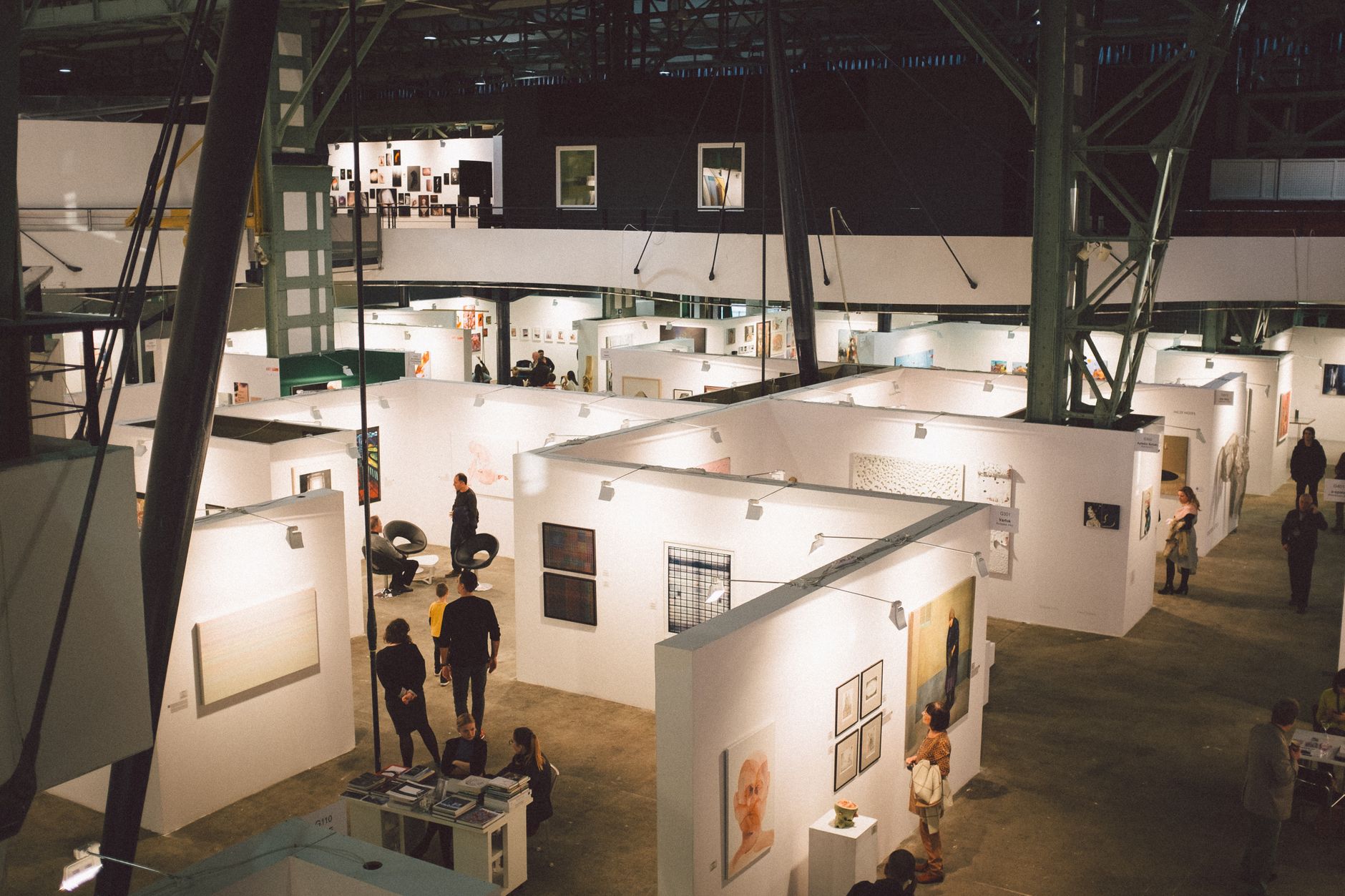
Alternatively, rather than aimlessly wandering around convention hall floor, you were perhaps escorted to a curated list of suppliers, or elect to “wing it” and be introduced to a host of new products and new concepts. What would happen if booths disappeared completely and the entire hall was a maze of tables and aisles and you were forced, IKEA-like to find your way to the end? Along the way, you’d see freezers and swimming pools and saunas and PEX supply lines.
Wouldn’t lunchtime be a lot more enlightening if you could put your business card into a hopper and tables of six would be arranged for you? Rather than sitting with coworkers, you’d find yourself in the company of someone you would not otherwise meet. Networks might be expanded, not like the odd “friend of a friend” “perhaps you know” connection created by LinkedIn, but real human connections.
There are probably hundreds of ways to make real interaction more meaningful to an attendee. Smarter people than me, might already have created plans, squelched by uneasy leader who just want to go to Vegas so they can expense a meal at Joël Robuchon. We just need the first show to make a change.
I explained in a previous post that nothing makes sense with the LEDucation show in New York. The place is crowded, you’re constantly bumping into people. Door and stair locations are a mystery. The layout is a confusing maze. (“Did I visit this area already?”) People love it! Why? The democratization of exhibitors places everyone on an even playing field. By doing everything wrong, attendees came to find more value. This should be a model, not to be repeated, but to instead convince companies to simply try something different. Trade shows aren’t working, but they can. Especially if people become numbed by AI falseness; then they must.

