
Since my “retirement” I have had the opportunity to continue interfacing with thousands of interior designers. Through these points of connection, I have noticed a trend of questions and commentary that are driving designer’s conversations. The topic that is top-of-mind today is “sustainability.” Specifically, how long-lived LED can possibly coexist with short-lived fashion. It is brought up in virtually every Q&A session I conduct.
Supreme is a brand of clothing that was birthed by way of the skateboard culture of the 90s to poke a finger in the eye of staid fashion nameplates. Consisting of tees, baggy pants and sneakers, it became a huge success to a point where the company is now valued at over $2 billion. What started as a “fashion-less” alternative to seasonal runway offerings is now riding atop the same tiger. To stay ahead, Supreme must now continue to create new and equally desirable products.
Supreme could have been the answer to sustainability in fashion, the “Mao Suit” of its generation. Alas, humans want, perhaps need change. Hemline rise and fall, lapels narrow and widen. Hair lengthens and shortens. This constant desire for change forces us all back into the retail market, continues to circulate dollars and keeps the world employed.
Magic Wand
So let’s say, tomorrow, by nature of a magic wand, trends die, fashion becomes frozen and the human desire for something new stops. What then?
First, there will be a lot of unemployment. Designers, engineers, marketers, retail associates, home remodelers, construction workers, dock worker, virtually every facet of the supply chain will be impacted. We will have a substantially more sustainable world, but we won’t have much of a world to enjoy.
I think it is safe to say, this is an unlikely scenario. Fashions have shifted almost since cavemen sought out a new pelt covering. Some variant is much more likely.
The Alternative
More realistically, we might stop buying so many variations of things in our lifetime. This would allow us to buy better quality with the idea that it will last for a longer period of time. Liken this to the difference in American vs. European roadways. America installs cheap roads with minimal foundation and limited attention to drainage that in turn, need frequent repairs and quicker replacement. European countries install much more expensive pavements based on multiple layers of substructure and ample drainage that last substantially longer and show less wear and tear during their long life.
That idea fits nicely into the use-pattern of LED. Well-built LED product can last as long as twenty to thirty years with limited need for maintenance. Better built LED product simply lasts longer.
Rethinking Lighting Use
New, more sustainable lighting still requires a bit more forethought in the development of the overall lighting design. This is a point I have been making for a number of years. The future of lighting means more functional light (that transcends fashion) and less decorative lighting (which will require replacement when the style ages,) despite the continued viability of the light source.
If we are going to blend sustainability with fashion, we will need to reassess the financial parameters used to make buying decisions. Rather than first-cost, (the initial cost of the luminaire, only) we will need to consider life-cost (cost of luminaire, repair cost, operational costs, etc.) Purchasing lifetime functional lighting that dies after ten years does not support the cause of sustainability. We will need to pay more attention to quality components, conscientious construction and whether the company building the product will be around in fifteen years, should there be a warranty issue. Our initial cost will be higher, but decades of trouble-free operations make that dollar amount easy to swallow.
I was talking to someone in the window business about the plethora of replacement window companies and the avalanche of advertisements they’ve placed on television. Knowing I live in a 90+ year old home, he said, “Despite what they say, those ads aren’t for old-old home like yours. Your windows and windows from that era are a bit less energy efficient, but are usually of excellent quality and most probably don’t need to be replaced. (There are always exceptions.) These guys are servicing the bad windows put into new construction over the last twenty-five to forty years. New tract home construction windows are getting cheaper and cheaper and they barely make it out of warranty.” The low initial cost is intriguing, but the life cost is high.
Added Opportunities and Challenges
That allows for another opportunity; the return of manufacturing to North America. The desire for “cheap” forced manufacturing to Asia. The revolving door of style and trends kept manufacturing there. The combination of geopolitical events and sustainability demands might now encourage some companies to recalculate their costs. If consumers are willing to pay more, they might be able to build longer lasting items locally.
The pushbacks are often the same. If a new home is more expensive, or the remodel too costly, fewer people will buy them. Because of that, the banking/lending industry might also need to reset in an era of more sustainability. If the cost of “living” in a house is lower, more money, as a percentage, could be allotted to the mortgage because less will be needed for repairs. Think of the money used to buy “one window” so they can get, “the second window for free!” When windows don’t need replacing and insulation doesn’t need to be added and cheap LED doesn’t need to be upgraded, all that results in a higher value of the home. If sustainability can equate to higher property value, almost everybody wins.
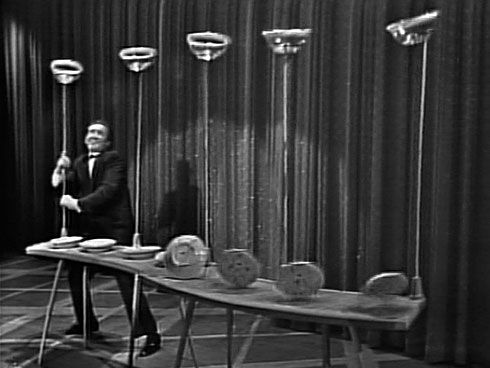
When all of these things happen (insert image of plates balancing on a row of sticks!) fashion can be sustainable. When a single aspect is not adopted, the whole concept fails. For sustainability to succeed, we must embrace ALL of these ideas, all at once. That then becomes the challenge. How good of a juggler can we become?

 Lighting by Jeffrey