Categories
Lighting Commentary

LED – The Only Light Source Left in the Game

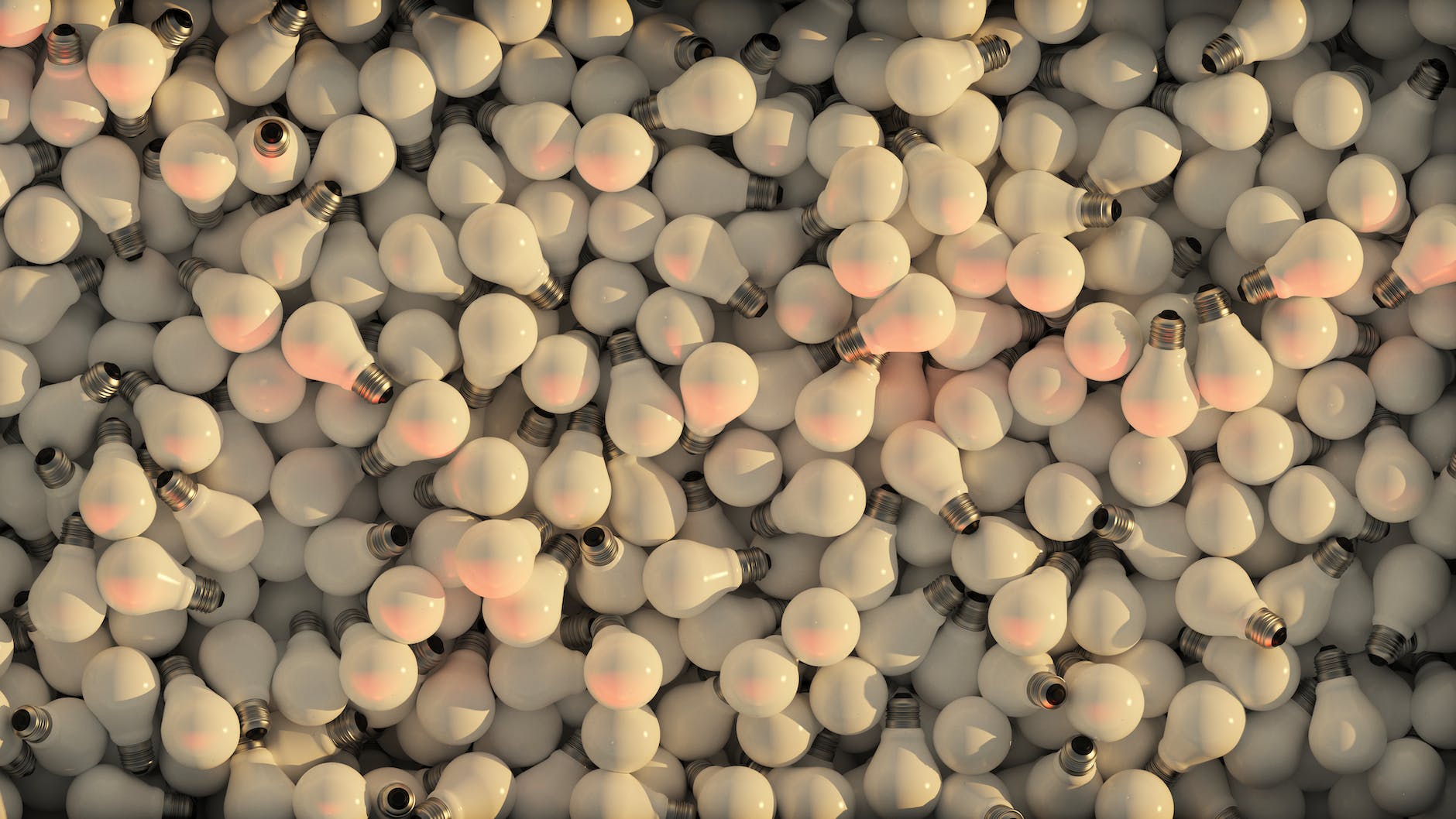
Photo by Medhat Ayad on Pexels.com

Much of the regular media has reported on the “death” of the incandescent light bulb over the last few weeks. As I poured over the information, the fact that 30% of light bulbs sold were STILL incandescent came as a pretty astounding fact. Digging deeper into the numbers, I found that high-efficacy adoption was substantially slower, the more economically challenged the consumer/geographic area. Higher “first-costs” continue to be a barrier, despite the long-term financial benefits. Hopefully, as we move farther into efficiency regulations, we will remember that a large percentage of the population will be equally challenged. We must find a way to balance that inequity.

Another aspect of America’s incandescent use has been cleared up as well. 40% of the light bulbs in use were initially excluded from the original Energy Independence and Security Act (EISA) of 2007. Reflector lamps, candle, or flame-shaped lamps and spherical-shaped lamps did not need to comply with the same higher efficacy requirements as General Service Lamps (GSL.) I always found that a peculiar omission, but the overlook was remedied during the subsequent Obama administration. Unfortunately, those requirements were overturned during the Trump reign. With professionals back in charge of the Department on Energy, this large pool of inefficient lamping joins the GSL and must again comply with higher efficacy standards.

It is important to remember, EISA was written and signed into law as a bipartisan solution to an inability of utilities to provide long-term, adequate amounts of energy. As demand continued to rise, the cost of new energy creation grew prohibitively high. There was a real possibility that “brown-outs” would be as common as currently found in third-world areas of the planet. California actually experienced a summer of just such a reality before increasing their product efficiency standards. It is the reason why crackpot ideas like Michele Bachmann’s “Light Bulb Freedom Act” never went anywhere, even in a more conservative Congress. This was/is a solution that actually works and actually solved a problem. The energy saved here, combined with scores of policies covering appliances and other consumer goods has paved the way to facilitate automobile charging without throwing the country into darkness every time a load of laundry is started.

Concurrent with the higher efficacy demands has been the slow reduction and removal of fluorescent lighting technology. As America becomes more sensitive to leaving a cleaner planet for the next generations, hazardous chemicals are being reassessed. Mercury, a key component in the functionality of fluorescent lamping remains a dangerous element that has never been successfully recycled in large quantities. California and Vermont have already joined the European Union (EU) in outlawing their continued use. Canada is considering the same thing. Rhode Island, Colorado and Maine have expiration dates already defined in signed legislation, with Hawaii’s ban date imminent. Illinois, Massachusetts, Nevada, New Jersey and Oregon are considering legislative bans. With such a large quantity of geography preventing their use, one must assume that manufacturers will be discontinuing these products, effectively removing them from the remaining states and some countries.

That leaves us with LED as the only remaining light source standing. For those of us who have been on this conversion ride for twenty years, it has been quite the journey. Some of us will say, “I told you so!” Others might ask, “What’s next?” I may have made both statements over the years. There were too many things fighting against the continuation of incandescent. This was an inevitable shift. RIP incandescent. You served us well.

Now, watch out for the explosion of sensors and controls and their integration into smart homes. Obituary for the single-pole, wall-mounted light switch coming soon!
Categories
Lighting Commentary

The Shape of Light

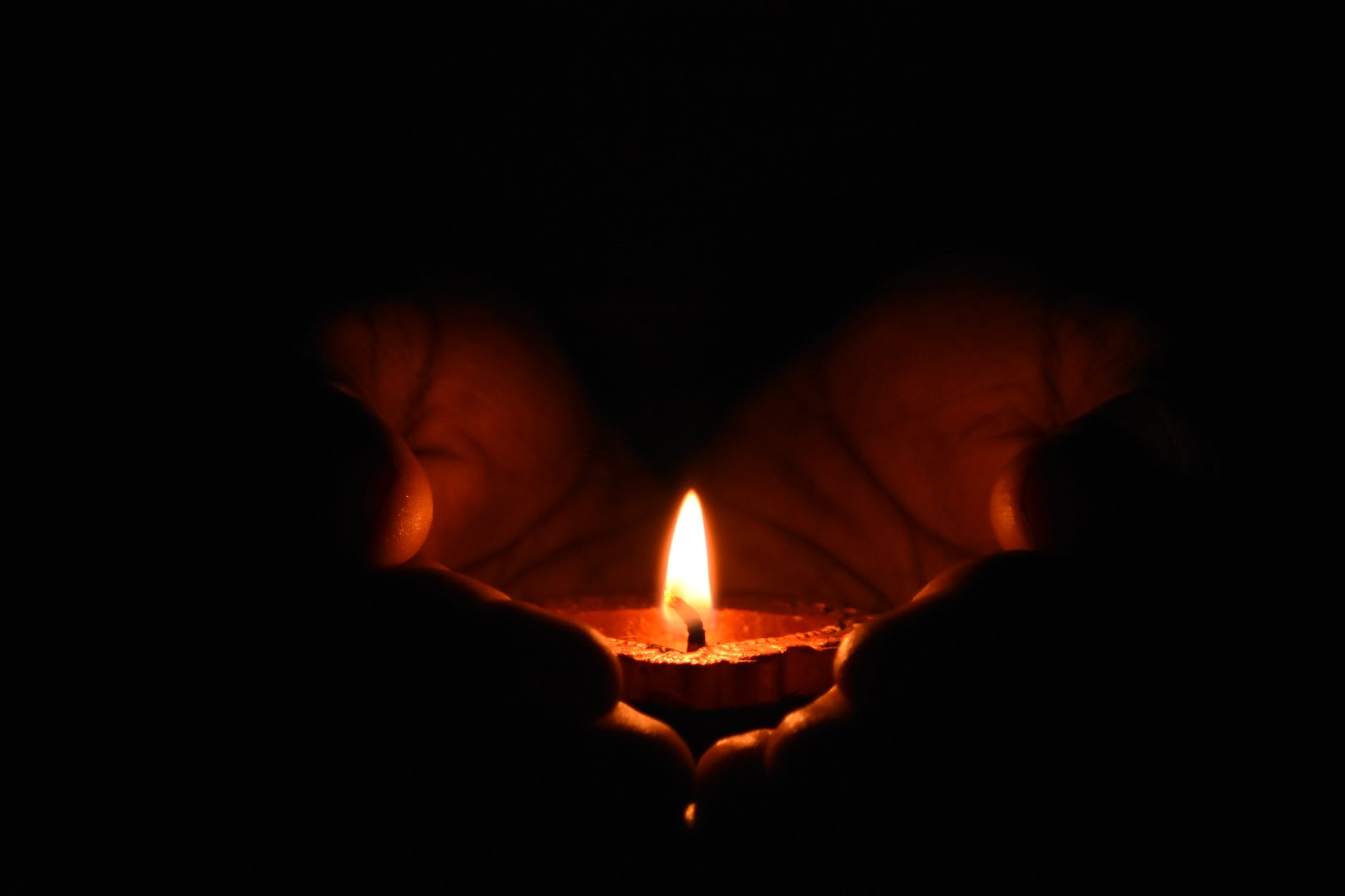
Photo by Dhivakaran S on Pexels.com

Artificial light has been around since some caveman figured out how to create, or harness fire. In those early days, the shape of light was roughly equivalent to the pile of combustible material gathered to keep the fire functioning. Those early Neanderthals quickly learned that if the material was tightly packed, the burn was much more controlled and consistent. A heap of wood created a heap of light.

As we moved from caves to constructed dwellings, fire was now allowed inside, the fire transitioning from outdoor pits to fireplaces. Human demand for a more controlled application led us to create lanterns fueled by oils and candles supported by wax and wick. The candle and the lantern were no longer associated with its byproduct of either heat, or food preparation. Its sole reason for existence was illumination. Humans have been stuck with that shape ever since.

Stuck? What?

As interiors transitioned to gaslight, hanging lights, chandeliers and sconces retained the same basic shape and size of candlelight and oil light by forcing the gas to similar delivery shapes. A gas stopcock was added to form a flame that replicated the wick created fire. Barely a change in size is evident in the diffusers. While all of the creators of incandescent light started with a variety of proportions and dimensions, the eventual shape of electric light was finessed into the parameters established by flame and gas. The luminaire industry STILL to this day uses gas pipe thread as a standard across the industry and many of the components of a lighting fixture carry gas or plumbing names along with their odd thread sizes. Some of the most popular incandescent light bulbs are those shaped to replicate a flame. They fit nicely into chandeliers that replicate candle-holding lights of the past.

New York Magazine recently featured a reasonably well-researched article about the writer’s beef with LED. (There’s Something Off About LED Bulbs by Tom Scocca) He does makes some mistakes about CRI. I’ll reserve those for another blog post. The bulk of the content contains some of the typical complaints people have with LED, many of which I have addressed in previous posts relating to our desire for “cheap” and then being unhappy with the results; blaming it on the supplier who gave the consumer what they wanted. If you’ve ever seen the political cartoon “Tammany Ring” by Thomas Nast, you’ll understand this circular argument. Don’t give the customer what they want, because they don’t know what they want. Throughout the article he relates problems with LED because of shape.

Regardless of technology, consumers seem to want light in the package to which they have become accustomed. We want our LED to be shaped like incandescent, which was shaped like gas, which was shaped like a candle flame. Unfortunately, that is where science is having a bit of a problem. That problem is fodder for writers like Scocca.

When LED were new, cost was of secondary importance and the new light could be formed into whatever function was required. Form follows function was a principle attributed to Architect Louis Sullivan that states the item should in some way relate to the purpose. LED are not well suited for the confining shape of an incandescent envelope and screwshell. They must be kept cool and the narrowing screw-thread section of a light bulb provides so little space for cooling, as the article title intimates, they do some odd things. Function can’t (shouldn’t) follow form.

I have continually promoted and pushed fully integrated LED luminaires in opposition to retrofit LED lightbulbs for this very reason. Our kitchen was remodeled at the very early hours of LED. EVERY light in the room is LED. Almost all of them were “the first” LED products developed by companies like Cree, Philips and Kichler. They were also substantially more expensive than their incandescent counterparts at the time. None of the luminaires were “stuffed” into incandescent lamp enclosures. All of them are still functioning. I have had no problems with any of them and performance has been excellent.

As consumers, we can get what we want, but we should instead take what experts suggest. There is the old line about the first automobile that remains valid today. If asked, customers did not want a car, they just wanted a faster horse. Closer to today, no one ever asked for a mobile phone. Life today without a car or a mobile is almost inconceivable. Possible, but unlikely.

The same should be considered with LED. Eventually, engineers might figure out how to stuff LED into hot tiny confining places and maintain their performance characteristics. In the meantime, look to integrated luminaires as the later-day automobile or mobile phone. You’ll get what you do not yet know you want.

Categories
Aesthetic Lighting Help

Isamu Akasaki

Hiroshi Amano, Shuji Nakamura and Isamu Akasaki shared the 2014 Nobel Prize in Physics for their invention of blue, light emitting diodes (LED). Through the use of phosphors, the new blue LED was subsequently translated into the white light we understand and use in our daily life.

The creation may be of limited understanding to many, but the importance to lighting, design and the future of illumination is monumental. Quite simply, this creation “changed everything.” In the ten short years since their work became marketable, the way in which we illuminate our world has been upended and completely altered. This was a huge scientific accomplishment, but the impact on design has been seismic. Here are four ways in which this Nobel Prize for Physics has altered interior design expectations.

#1 – Color Choice

Prior to LED, light bulbs came in one color. That color worked nicely for warmer, earth toned palettes, but was found wanting with bolder tones. LED can be easily produced in a wide variety of colors from the warm, candle-like tones of 2400K to cool blue daylight at 6500K. This wide spectrum has resulted in rooms that better represent the aesthetic intent of the designer. Yellow, beige and wood are richer and more revelatory with warm LED color measuring 2700K. Blues, stainless steel, whites and black become more vibrant when illuminated by 3000K LED. Light is now an integral part of color selection and interior design.

#2 – Light Layering

If you think back to homes, built as early as the year, 2000, the concept of light layering was absent. Single luminaires, placed in the center of the room were de rigueur. Our subjective impressions of light bring us to react negatively to this type of illumination. Humans show a preference for peripheral light that varies in intensity. The same light also delivers a space that is perceived to be more relaxing and provides us with a feeling of privacy. Simply put, more and varied light starting at the perimeter and moving inward is preferred by most people.

Cove lighting, niche lighting and tray ceilings illumination was far more complicated and substantially more expensive before the development of LED. Now, designing an array of light that meets both aesthetic and preferred needs is easier. That is the result of this trio’s work.

#3 – Lighting That Supports Human Circadian Needs

The human body functions via the aid of our circadian system. That system is driven by the 24-hour, light-dark cycle of the sun. Since the Industrial Revolution and the introduction of second and third shift workers, humans have subtracted themselves from this cycle, thereby disrupting their circadian rhythm and in-turn the production of melatonin. When used carefully, LED can replicate blue, mid-daylight, white dawns and orange-red dusk. Light therapy, while still in its infancy is starting to help. We may still be a few years away from affordable circadian lighting that changes colors throughout the day in our homes and workplace, however without LED, this end goal would not be possible.

#4 – Light Preference

Prior to LED becoming the go-to source of energy efficient light, fluorescent light was the only option. While mature, good-looking fluorescents have been developed, they suffered from the bad reputation of the low-quality CFLs introduced in the late 1990s. With the bad taste those early CFLs left in the minds of designers and consumers, additional fluorescent use was going to be a hard sell.

Because of energy efficient advances in most every other electric product, lighting was consuming more and more of our electric use, peaking in 2008 at over 14% of typical residential electric consumption. The bipartisan, “Energy Independence and Security Act of 2007” mandated a change to more efficient lighting. Those efficiency demands made fluorescent the only option until LED lamps were introduced to the market in 2008. Their presentation of light was enthusiastically received. Consumers willingly switched to energy efficient LED. The preferred light is the result of the efforts of Nakamura, Amano and Akasaki.

For most people, the passing of a physicist barely merits a “click” on a news website. For interior designers, architects and lighting people a glass should be raised and an expression of debt shared. His work resulted in a paradigm shift in our understanding and application of lighting, all for the better.