

A kangaroo walks into a bar and orders a martini. The bartender looks up quizzically, grabs the gin and start preparing the drink. After an appropriate shake and swirl, he pours out the drink into a glass with the olive and slides it across the bar to the kangaroo.
“That will be fifty buck.”
The kangaroo reaches into his pouch, grabs his wallet and pays the bartender.
“You know, we don’t get many kangaroos in this place.”
The kangaroo looks up from his drink and says, “At these prices, I’m not surprised.”
My favorite joke sprang to mind as I listened to a news report that indicated tariffs were starting to become a factor in consumer spending. Yes, the TACO president has kicked the can down the road time and again and the road has now apparently ended. Just a few countries have played along and those that have appear to have snookered Trump with promises of reciprocal spending that will never maturate. In a need for immediate gratification, he’ll get the press release, the news story and no change will be realized beyond the price increase to the consumer.
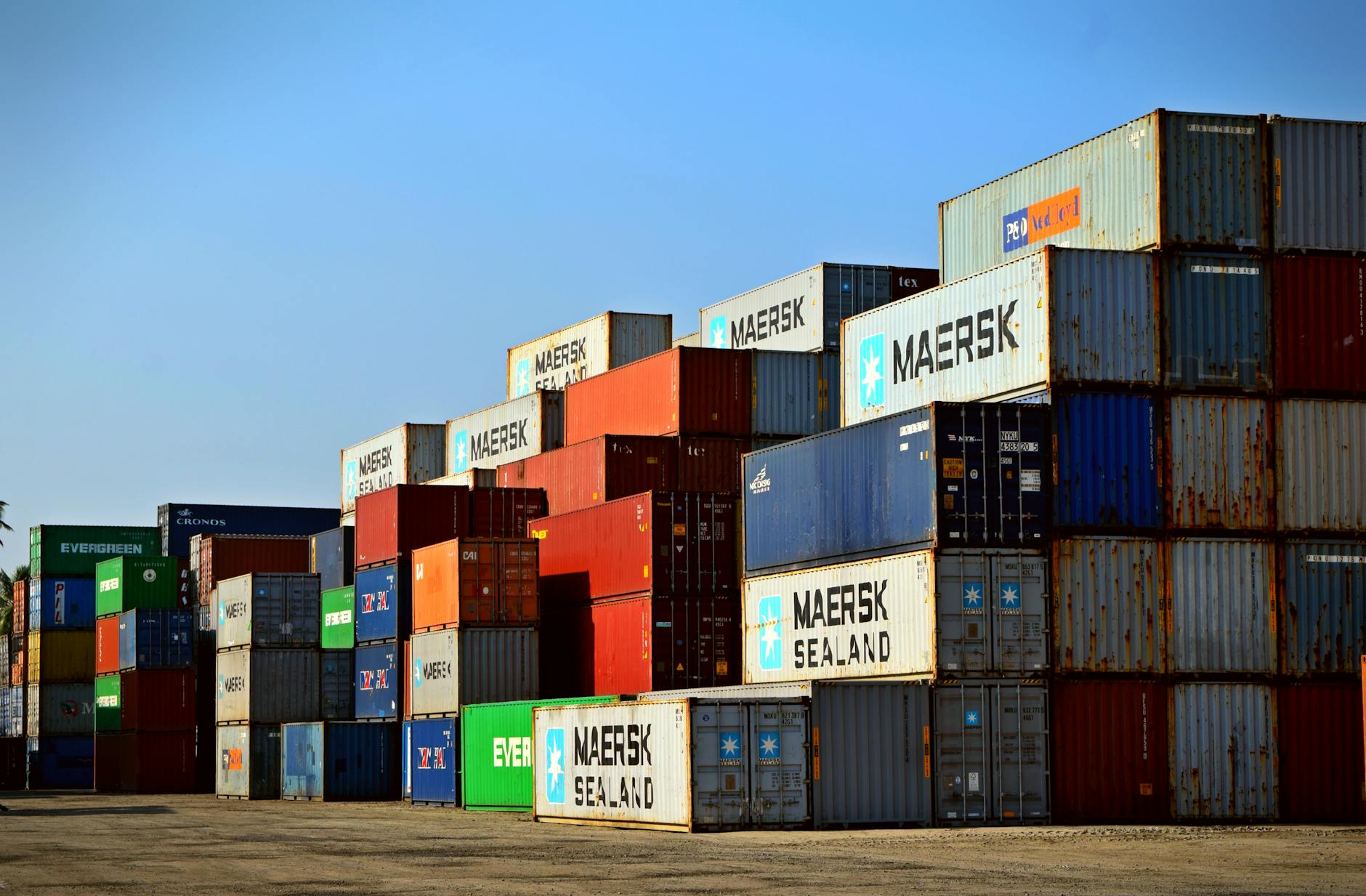
Products now cost more. Shipments are slowing, containers, once at a premium are waiting for freight. Prognosticators continue to suggest a bleak holiday shopping season. The US Treasury is however seeing an increased input of funds from these new duty payments. Those dollars are going to be hard to end in a country so deeply in debt. We must assume these to be the new normal. This is not good news for someone building or rehabbing a home. Lighting (and a lot of other things) is getting very close to kangaroo pricing. Nice, if you can afford it, but likely to keep away a mob of kangaroos.
I had believed that LED was going to substantially alter the type and quality of lighting used in new home construction. In some cases, it has. Think LED Tape. Other light types have fallen in the opposite direction. Good recessed light has now been replaced with surface mounted, glare-inducing blobs of light. That popularity is not because of LED, but instead, due to a low price. I now believe price will drive a total reassessment of what type lighting builders will include in new homes.
In a previous blog post I shared that builders have been forced to provide rebates or “give backs” to try and ameliorate the impact of higher interest rates, but they are not going to be able to do that forever. Manufacturers have also done the same thing with heavy buying of inventory. Ford Motors is expected to lose $2 Billion this year because of tariffs. They and every other company cannot continue this practice. Prices will rise.
Because of these new prices, inflation is a real concern and interest rates are unlikely to lower. The best case has rates remaining stable. If Donald Trump decides to fire Federal Reserve Chair, Jerome Powell and replace him with a toady, we should all assume higher inflation. Don’t believe me? Ask Richard Nixon to explain how presidential intervention in monetary policy fared for him and the country. (Who remembers his successor’s WIN [Whip Inflation Now] policy? I still have the lapel pin.) You can almost bank on it.
Builders might be forced to look again at more steel stud use in residential construction to avoid the Canadian lumber tariffs, but it is difficult to see an alternative to drywall. An almost total elimination of copper plumbing, if not already a reality is probable, but appliances, whether imported or made in the US are still going to see increased cost because of component tariffs. Electric and lighting changes COULD however result in savings.
In the recent rehab of our new, older home, a total rewire was needed. A pile of superfluous switches were code mandated, forcing the addition of way more wire and labor than I had ever expected. This is ripe for change. Builders could push for changes that automate a home, eliminate all switches and in-turn reduce the amount of copper needed to wire a home. We might also see a switch from AC wired homes to AC wall plugs and DC lighting, thus allowing much less expensive wire to run to the luminaires. Eliminating the transformer could mean a less expensive lighting fixture. As lighting people, are we ready to explore these ideas?
LED Tape has made LED undercabinet luminaires obsolete, but I still see a ton offered. Why? Manufacturers still haven’t developed a quick, stable, sure and visually appealing connection method from the service wire to the LED Tape. I’ve often said, the company that does this, wins. Cost per foot of lumen output makes this a hands down deal. Crappy wire connection points have kept the old, more expensive (lumens/foot) luminaires in business.
Dining Rooms are going to disappear in multi-family and entry level new home construction. So too will the dining room chandelier. I can’t see any trend where this stays. (Higher-priced homes will be untouched.) Have new light source types been developed to fill the sales gap these losses will create?
The bathroom bar lights concepts are the oldest remaining lighting types still in continued use. I think more lighted mirrors and mirrors with better lighting are a solution that will take over. We do need to ask ourselves how that will impact our sales numbers. In addition, we’ll need to consider additional sizes, better light output and light delivery that reduces glare. Today, we are selling mirrors that include light, in the future, we should be selling bathroom lighting that includes the mirror. Of course, the recently announced mirror tariff increases might totally change this burgeoning demand.
These are just a handful of thoughts. Were I a manufacturer with connections to mass builders, I’d try to arrange a working summit, toss out any preconceived ideas on what lighting is needed in a room and instead discuss lighting that would provide good lumen output AND cost less. Can we rethink everything about lighting with the goal of better lumen output, less wires and less cost? I think it is possible. In a world now filled with $50 martinis, it might also be necessary.
 Lighting by Jeffrey